The Dark Web, Tor, and VPNs: What to Know Before You Browse
The internet is larger than the websites we find through search engines. The dark web is a small part of it, made up of sites that require special software to access. Many use .onion addresses and are visited through the Tor Browser.
The dark web isn’t exclusively used for illegal activity. Onion services also support private communication, file sharing, and tools such as SecureDrop, which journalists use to communicate with sources. As with the rest of the internet, though, unfamiliar sites may pose risks, including scams and malicious downloads. Stick to sources you trust and think carefully before sharing personal information or downloading files.
Some people consider using a VPN alongside Tor. The two tools work differently, and adding a VPN doesn’t automatically make Tor more private. The Tor Project generally advises against combining them unless you know how to configure both safely or use a VPN that has specialty Tor over VPN servers.
For general and dark web browsing, a VPN can add a layer of privacy by:
- Encrypting traffic between your device and the VPN server, helping protect it from people monitoring the local network.
- Masking your public IP address from the websites you visit, which see the VPN server’s IP instead.
- Routing your connection through a server in another location, which can make some region-specific websites accessible.
When choosing a VPN, look for modern protocols, a clear privacy policy, and features such as a kill switch. You may also want to look into VPNs that have Tor over VPN servers, such as NordVPN and Proton VPN. Last thing ot remember: a VPN provider handles your traffic as it passes through its server, so choose one you trust.
Here are 5 best VPNs:
1 ExpressVPN – 1 winner
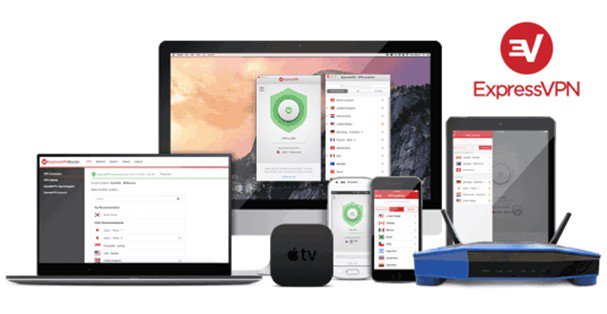
If you’re looking for a VPN for secure browsing, ExpressVPN is one of the best options to consider. Its network spans 214 server locations in 113 countries, and subscriptions include unlimited bandwidth and server switching. The company is based in the British Virgin Islands and maintains a strict no-logs policy. It doesn’t log browsing history, traffic destinations, DNS queries, or connection timestamps and IP addresses linked to VPN activity. Supported protocols include Lightway, WireGuard, OpenVPN, and IKEv2, though availability varies by app.
ExpressVPN has apps for Windows, Android, and other platforms. You can connect up to 14 devices with just one account, and all first-time subscriptions come with a 30-day money-back guarantee for risk-free purchases.
- Servers: Undisclosed
- Devices: 10–14
- Refund: 30 days
- Base: British Virgin Islands
2 NordVPN – 2 place
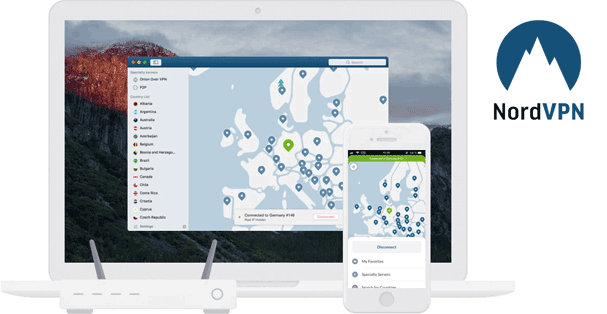
NordVPN has thousands of servers across 225 locations worldwide. Its Double VPN feature routes traffic through two VPN servers for an extra layer of encryption, while a built-in kill switch can block internet access if the VPN connection drops. It also has Tor over VPN specialty servers, which can be useful if you plan to visit the dark web via the Tor browser. Subscriptions include unlimited bandwidth. NordVPN also maintains a no-logs policy for users’ online activity, which has been independently audited; it does retain basic account and payment information.
NordVPN’s apps support major operating systems, and one account can connect up to 10 devices at once. All subscriptions come with a 3-day free trial for Android devices and a 30-day money-back guarantee.
- Servers: 7,200+
- Devices: 10
- Refund: 30 days
- Base: Panama
3 Hide My Ass! – 3 place
If you’re looking for a VPN for more private browsing, HMA is one option. It’s a paid service with a 7-day free trial. Its website lists more than 3,400 servers in 100+ locations across 65+ countries. HMA uses OpenVPN on Windows and Android, and IPsec/IKEv2 on iOS and macOS, with AES-256 encryption.
HMA says its no-logs policy excludes browsing activity, original IP addresses, and DNS queries. Still, it retains limited connection data, such as the day and general time of the connection and the amount of data transferred, for 35 days. Its plans allow up to 5 simultaneous connections, or up to 10 with the Family Plan. A 30-day money-back guarantee is also available.
4 VyprVPN – 4 place
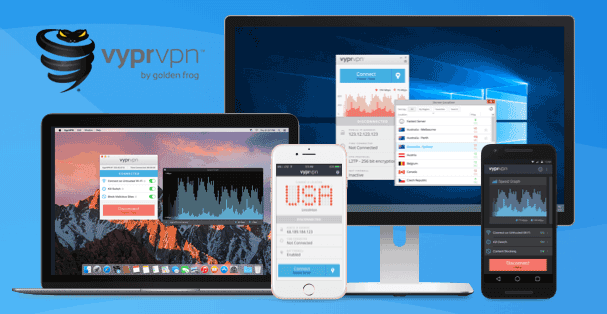
VyprVPN is a secure, US-based VPN that offers apps for Windows, macOS, Android, and iOS. It supports WireGuard, OpenVPN, and IKEv2/IPsec, as well as Chameleon, its own OpenVPN-based protocol. Chameleon uses 256-bit encryption and scrambles packet metadata to make VPN traffic harder for restrictive networks to identify. VyprVPN also includes a kill switch and maintains a no-logs policy for online activity.
Customer support is available 24/7 through live chat and email, and the help center covers setup and troubleshooting. All subscriptions purchased through VyprVPN’s website come with a 30-day money-back guarantee.
- Servers: 700+
- Devices: 10
- Refund: 30 days
- Base: USA
5 IPVanish – 5 place
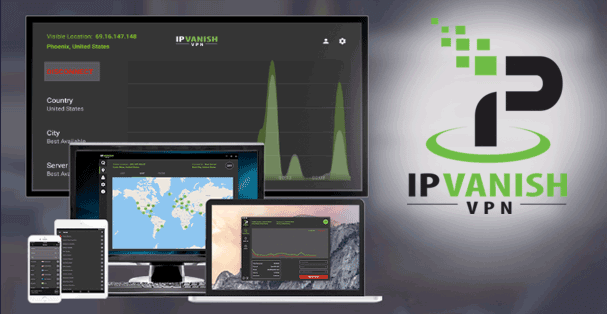
IPVanish is a US-based VPN that encrypts your connection and assigns you a different IP address while you’re connected. Its network now includes more than 3,400 servers across 150 locations. IPVanish apps support WireGuard, OpenVPN, and IKEv2, using AES-256 or ChaCha20 encryption depending on the protocol. The provider maintains a no-logs policy, and the latest third-party audit completed in September 2026 found no traffic, metadata, or session logs on active servers.
One account supports unlimited simultaneous connections. New customers can get a 30-day money-back guarantee and a 7-day free trial.
- Servers: 3,400+
- Devices: Unlimited
- Refund: 30 days
- Base: USA
The dark web includes sites that may pose security risks, so browse carefully. A VPN can add a layer of privacy by encrypting your connection to its server, but it can’t protect you from every online threat.
Comments